Ganoderma Butt Rot in Florida Palms
What Brevard County Homeowners Need to Know
Palm trees are a major part of Florida landscapes, but unfortunately, they are also susceptible to a serious fungal disease known as Ganoderma butt rot.
Ganoderma butt rot is caused by the fungus Ganoderma zonatum. It attacks the lower portion of a palm’s trunk and gradually breaks down the internal tissue that gives the palm strength and helps transport water.
Because the damage happens from the inside, a palm may be significantly affected before a homeowner realizes there is a problem.
What Does Ganoderma Look Like?
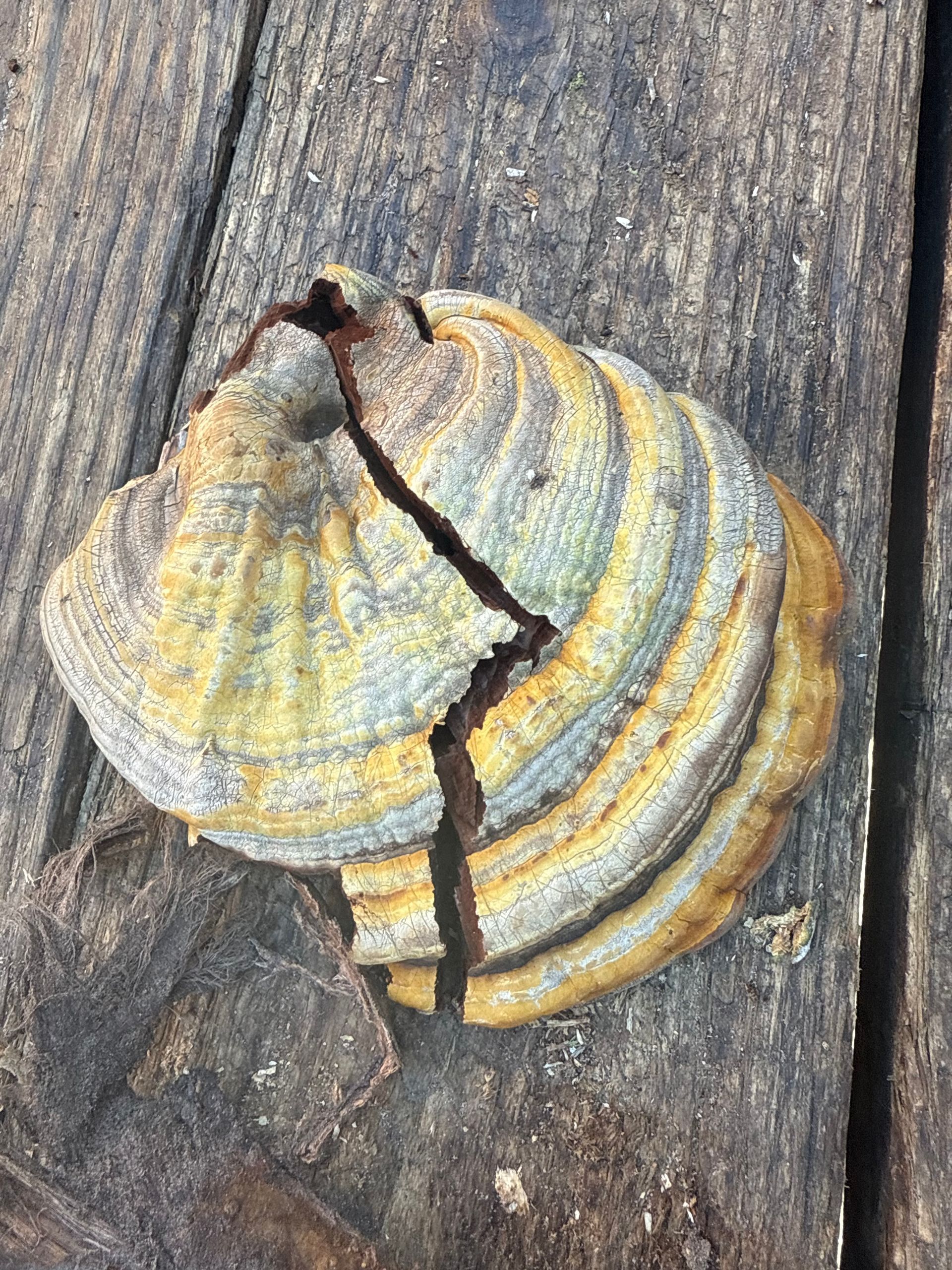
One of the most recognizable signs of Ganoderma is a conk — a hard, shelf-like mushroom that develops on the lower portion of the palm trunk.
Other possible signs include:
- Wilting or drooping fronds
- Yellowing or declining foliage
- An overall thinning or declining canopy
- A palm that appears unhealthy without an obvious cause
- A shelf-like mushroom or conk growing from the lower trunk
A conk is especially important because it indicates that the fungus is already established inside the palm.
Can Ganoderma Kill a Palm?
Unfortunately, yes.
Ganoderma causes internal decay in the lower trunk of the palm. As that decay progresses, the palm can become structurally weak. This is especially concerning in Florida, where heavy rain, thunderstorms, tropical systems, and high winds can place additional stress on an already compromised palm.
Once a Ganoderma conk is present, there is currently no scientifically proven cure for the infected palm.
Can Ganoderma Spread to Other Palms?
Yes. Ganoderma produces spores that can be carried through the air and potentially infect other palms.
If you notice a conk, it should not simply be knocked off and forgotten. Removing the conk may help reduce the release of additional spores, but it does not remove the fungus already growing inside the palm.
All palm species are considered susceptible to Ganoderma butt rot, making early recognition especially important in palm-heavy landscapes throughout Brevard County.
What Should I Do If I Think My Palm Has Ganoderma?
If you notice a suspicious mushroom or conk near the base of a palm, unexplained decline, or signs that a palm may be deteriorating, have it evaluated.
When Ganoderma is suspected or evident, removal of the affected palm is generally recommended. Removing a compromised palm before severe decay develops can also reduce the risk of the palm failing unexpectedly.
Can I Plant Another Palm in the Same Spot?
This is one of the most important things homeowners should know.
The Ganoderma fungus can remain associated with the site for many years, and there is currently no established period after which planting another palm in the same location is considered completely safe.
For that reason, replacing an infected palm with another palm in exactly the same location is generally not recommended.
A non-palm tree or landscape plant may be a better replacement option.
Ganoderma Palm Removal in Brevard County
At Oceanside Tree Service, we regularly work with palms throughout Brevard County and understand the unique problems Florida’s climate can create for them.
If you have a palm showing signs of Ganoderma or you’re unsure about an unusual growth at the base of your palm, our team can evaluate the situation and discuss your removal options.
We offer:
- Palm and tree removal
- Removal of hazardous or declining palms
- Stump grinding
- Property evaluations for questionable trees and palms
- Professional recommendations based on what we observe on site
See Something Growing on Your Palm?
Don’t ignore it.
If you’ve noticed a shelf-like mushroom, unusual growth, declining fronds, or a palm that just doesn’t look right, contact Oceanside Tree Service. We’ll take a look and help you determine the safest next step.
Serving homeowners and businesses throughout Brevard County, Florida.What Brevard County Homeowners Need to Know
Palm trees are a major part of Florida landscapes, but unfortunately, they are also susceptible to a serious fungal disease known as Ganoderma butt rot.
Ganoderma butt rot is caused by the fungus Ganoderma zonatum. It attacks the lower portion of a palm’s trunk and gradually breaks down the internal tissue that gives the palm strength and helps transport water.
Because the damage happens from the inside, a palm may be significantly affected before a homeowner realizes there is a problem.
What Does Ganoderma Look Like?
One of the most recognizable signs of Ganoderma is a conk — a hard, shelf-like mushroom that develops on the lower portion of the palm trunk.
Other possible signs include:
- Wilting or drooping fronds
- Yellowing or declining foliage
- An overall thinning or declining canopy
- A palm that appears unhealthy without an obvious cause
- A shelf-like mushroom or conk growing from the lower trunk
A conk is especially important because it indicates that the fungus is already established inside the palm.
Can Ganoderma Kill a Palm?
Unfortunately, yes.
Ganoderma causes internal decay in the lower trunk of the palm. As that decay progresses, the palm can become structurally weak. This is especially concerning in Florida, where heavy rain, thunderstorms, tropical systems, and high winds can place additional stress on an already compromised palm.
Once a Ganoderma conk is present, there is currently no scientifically proven cure for the infected palm.
Can Ganoderma Spread to Other Palms?
Yes. Ganoderma produces spores that can be carried through the air and potentially infect other palms.
If you notice a conk, it should not simply be knocked off and forgotten. Removing the conk may help reduce the release of additional spores, but it does not remove the fungus already growing inside the palm.
All palm species are considered susceptible to Ganoderma butt rot, making early recognition especially important in palm-heavy landscapes throughout Brevard County.
What Should I Do If I Think My Palm Has Ganoderma?
If you notice a suspicious mushroom or conk near the base of a palm, unexplained decline, or signs that a palm may be deteriorating, have it evaluated.
When Ganoderma is suspected or evident, removal of the affected palm is generally recommended. Removing a compromised palm before severe decay develops can also reduce the risk of the palm failing unexpectedly.
Can I Plant Another Palm in the Same Spot?
This is one of the most important things homeowners should know.
The Ganoderma fungus can remain associated with the site for many years, and there is currently no established period after which planting another palm in the same location is considered completely safe.
For that reason, replacing an infected palm with another palm in exactly the same location is generally not recommended.
A non-palm tree or landscape plant may be a better replacement option.
Ganoderma Palm Removal in Brevard County
At Oceanside Tree Service, we regularly work with palms throughout Brevard County and understand the unique problems Florida’s climate can create for them.
If you have a palm showing signs of Ganoderma or you’re unsure about an unusual growth at the base of your palm, our team can evaluate the situation and discuss your removal options.
We offer:
- Palm and tree removal
- Removal of hazardous or declining palms
- Stump grinding
- Property evaluations for questionable trees and palms
- Professional recommendations based on what we observe on site
See Something Growing on Your Palm?
Don’t ignore it.
If you’ve noticed a shelf-like mushroom, unusual growth, declining fronds, or a palm that just doesn’t look right, contact Oceanside Tree Service. We’ll take a look and help you determine the safest next step.
Serving homeowners and businesses throughout Brevard County, Florida.
